Children and Adolescents
What is Play Therapy?
Play is the language of children in the same way adults communicate through words. So if you or any adult in your child's life have any concerns about your child's behavior, play therapy will help. Children from the age of three can significantly benefit from counselling by using play therapy techniques. This is the most appropriate treatment to help children work through difficult circumstances and to help you as a parent to understand what your child is experiencing. Children often find it difficult to express their emotions and play therapy gives them the opportunity to this in a non-threatening way.
Children may sometimes express challenging behaviors due to a variety of reasons. Play Therapy can address this behavior that may occur due to one of the following stressors:
aggression | worry | excessive shyness | low self-esteem | lying | stealing | preoccupation with sexual behavior | difficulty adjusting to family changes | any form of loss | trauma | sleep, eating problems | attachment issues | divorce | hospitalization | bullying | sexual abuse | school refusal | nightmares | parental conflict | ADHD/ADD
What happens during a play therapy session?
During a typical play therapy session the therapist will reflect how your child plays with toys, as well as the underlying emotions associated with the actions. Very few questions will be asked. Play therapy works on a level of experience and enables your child to play out situations in real life within the context and security of play. The therapist adopts the role to facilitates and encourage the child towards problem solving, creating alternatives, expressing feelings, respect and understand limits and boundaries, take ownership of their actions, developing a sense of control of the environment and cultivate empathy for others. This therapeutic approach enables the child to become aware of emotions and needs by using different mediums, such as clay, painting, toys, role-plays and biblio therapy. In this way children are being supported in developing acceptance towards various situations and their experiences.
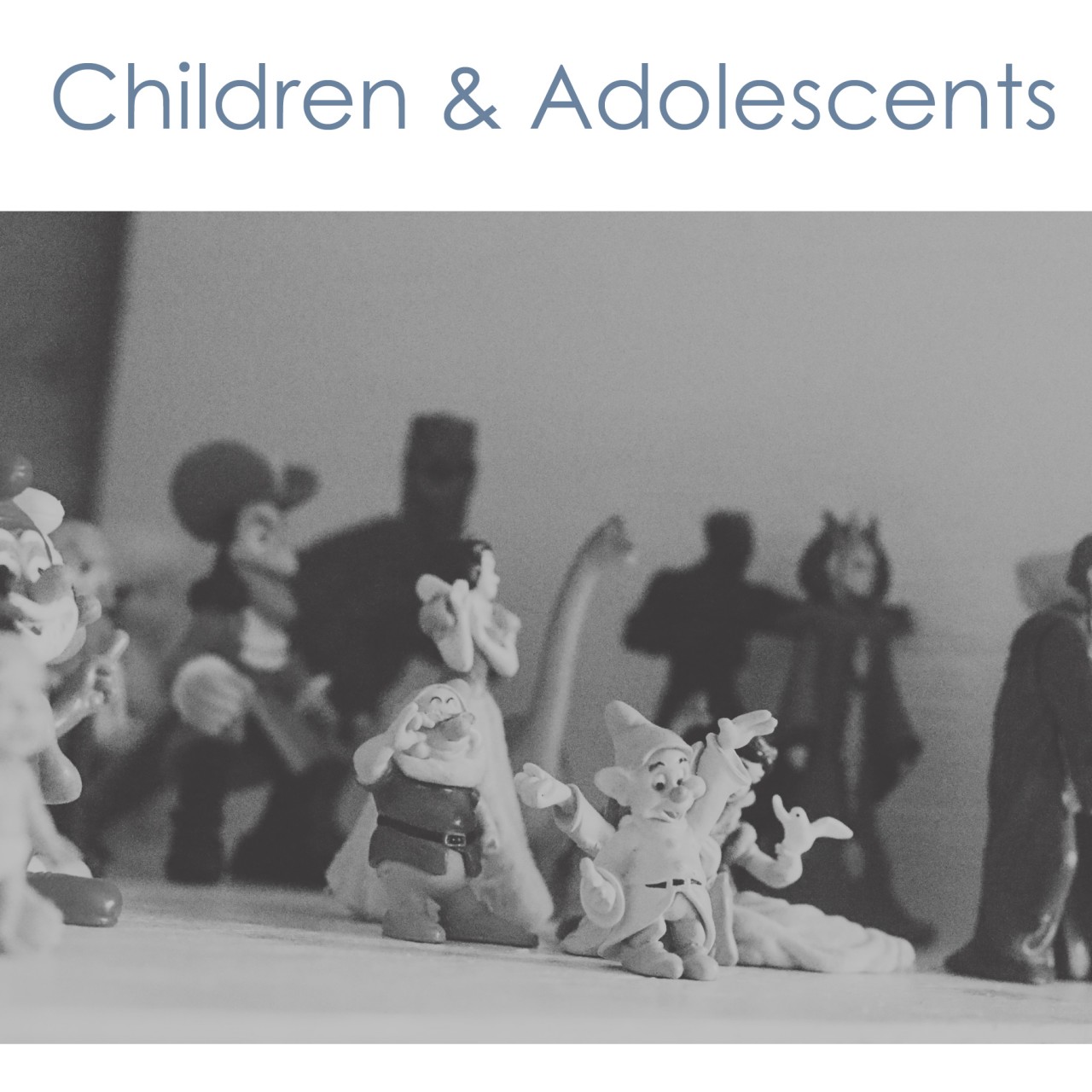
A session lasts about 50 minutes. It may happen that your child feel anxious. You may stay with your child until he or she is comfortable to stay with the therapist . Your child will be invited into the playroom and encouraged to use the toy in his or her own way . When necessary, limits will be set. It is done in such a way to help your child to make choices and develop responsibility.
Adolescence
Adolescence is a stage involving the transition from childhood to adulthood in which considerable physical, emotional and mental changes take place. Professional counselling support is available to help parents and adolescents enhance their communication and relationship during this major transition. I also support adolescents through individual counselling to deal with the overwhelming challenges they may face.